Creating Sustainable Energy Plans for Residential Areas
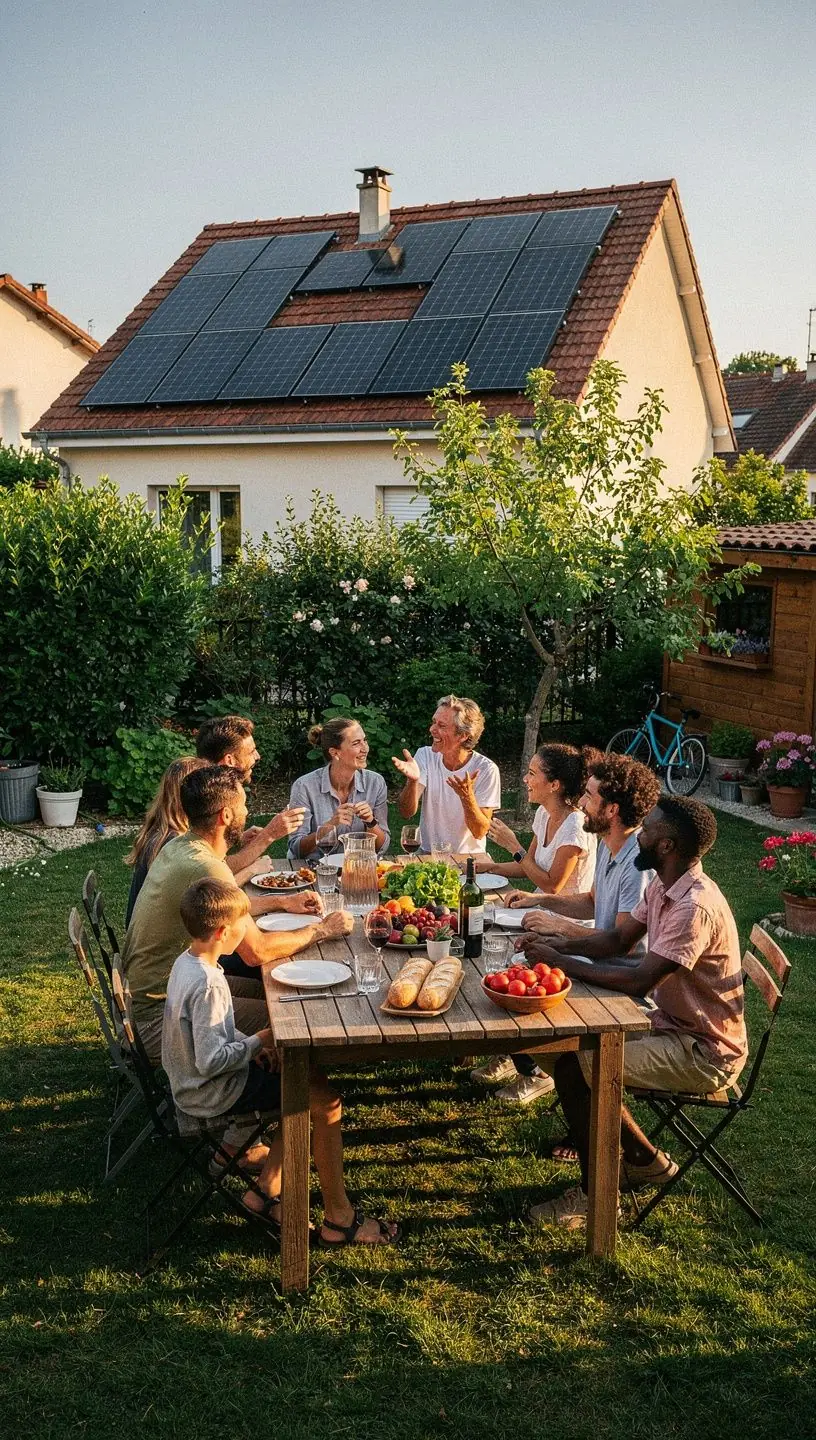
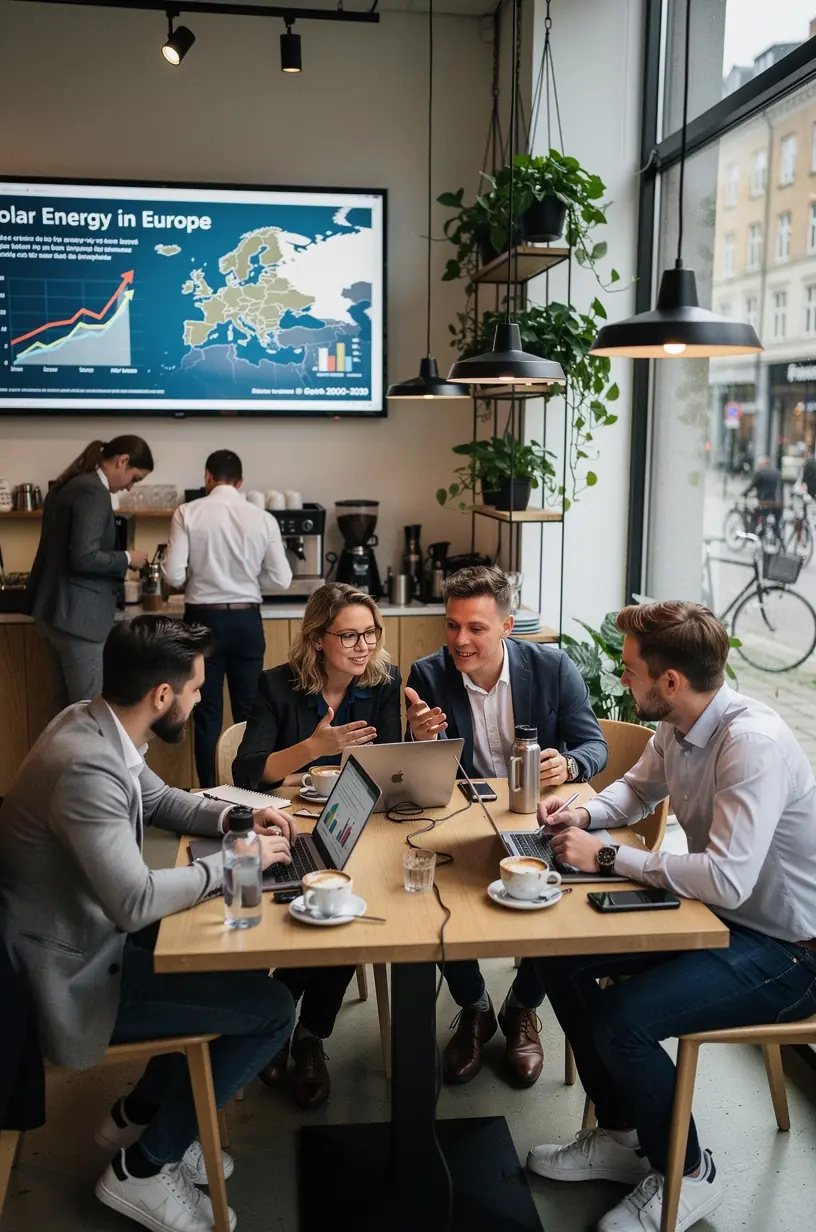
As European homeowners and community planners seek to enhance energy sustainability, developing effective energy plans becomes crucial. This article explores the necessary steps and considerations for integrating solar grid optimization in residential areas across diverse EU climates.
Understanding the Basics of Sustainable Energy Planning
Creating a sustainable energy plan involves assessing local energy needs while incorporating renewable sources. Research indicates that integrating solar energy can reduce reliance on fossil fuels and lower energy costs for homeowners. In many cases, community planners advocate for the adoption of solar technologies due to their adaptability to various regulatory environments and climates.

"Experts recommend that local governments engage homeowners in the planning process to foster a collaborative approach to energy sustainability."
Key Components of a Sustainable Energy Plan
- Assessment of Local Resources: Evaluate solar potential based on location. Studies show that regions in southern Europe typically receive more sunlight, which can enhance solar energy production.
- Involvement of Stakeholders: Collaboration between local authorities, homeowners, and energy providers is essential. Many users report greater satisfaction and success in projects that incorporate feedback from diverse stakeholders.
- Regulatory Compliance: Familiarize yourself with local regulations regarding solar energy systems. Understanding these guidelines helps ensure that planned installations meet safety and efficiency standards.
Integrating Energy Storage Solutions
Incorporating energy storage systems into residential areas can significantly enhance the effectiveness of solar installations. According to industry experts, energy storage enables homeowners to utilize solar energy even when generation is low, such as during the night or cloudy days. This is particularly important in regions with variable weather patterns.
However, implementing energy storage requires careful consideration of the following:
- Initial Investment: Energy storage systems can involve a substantial upfront cost. It's important to assess various financing options, including government incentives that typically exist in many EU countries.
- Quality and Reliability: Not all storage systems are designed alike. Research indicates that lithium-ion batteries are often preferred due to their reliability and efficiency, but they may not be suitable for all situations.
- Maintenance Requirements: Energy storage systems may require regular maintenance. Homeowners should familiarize themselves with the expected upkeep to ensure long-term functionality.
Challenges and Limitations
While sustainable energy planning presents numerous benefits, there are challenges that may arise:
- Time Commitment: Developing a comprehensive energy plan typically takes several months. Stakeholders must be prepared for a process that includes assessments, consultations, and approvals.
- Learning Curve: Homeowners may need to dedicate time to educate themselves about solar technologies and energy storage solutions. This knowledge is vital for making informed decisions.
- Regulatory Variation: Energy regulations vary significantly across EU countries. Plans that work well in one region may not be applicable in another, requiring localized solutions.
Conclusion
Creating sustainable energy plans for residential areas is a multifaceted process that requires careful planning, stakeholder involvement, and adherence to local regulations. By focusing on solar grid optimization and integrating energy storage solutions, European homeowners can contribute to a greener future, while also enjoying potential cost savings. Ultimately, the journey towards sustainability is a collaborative effort, and setting realistic expectations is key to achieving long-term success.
Read More