Assessing the Impact of Local Climate on Solar Output
As European homeowners consider solar energy as a viable option for sustainable living, understanding the influence of local climate on solar output becomes crucial. This article delves into how varying weather patterns, sunlight hours, and temperature fluctuations can affect solar panel efficiency and energy generation.
Understanding the Basics of Solar Output
Solar output is primarily determined by the amount of sunlight that solar panels receive, which is influenced by local climate conditions. According to industry research, regions with more sunshine hours typically yield higher solar energy production. Experts recommend that homeowners assess their local climate when planning solar installations to optimize energy capture.
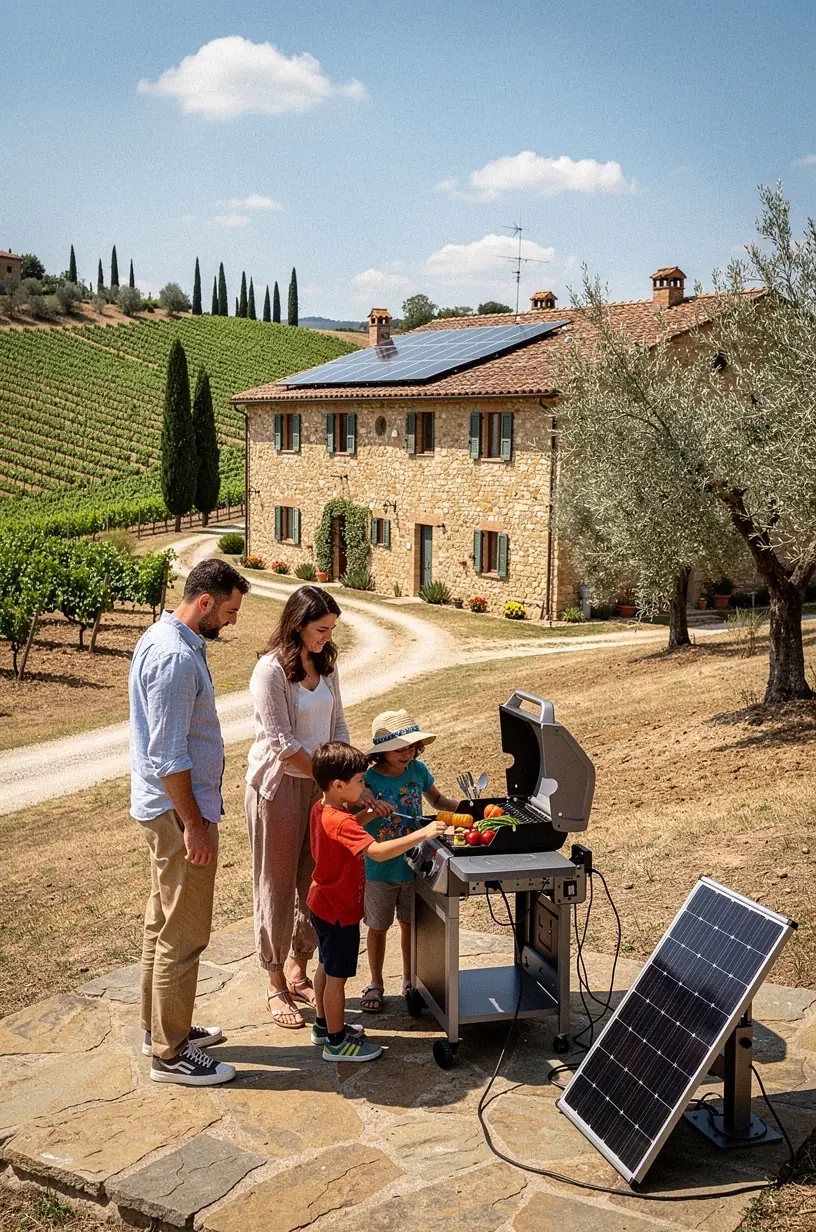
"Understanding the local climate can significantly enhance a solar system's performance and return on investment."
Factors Affecting Solar Output
- Sunlight Hours: Areas with longer daylight periods often see improved solar output. For instance, Mediterranean regions might benefit from more consistent sunlight compared to northern European climates, where daylight can be limited during winter months.
- Temperature: While solar panels are designed to generate electricity from sunlight, they perform best at cooler temperatures. Studies show that excessive heat can reduce the efficiency of solar panels by as much as 10-20% in high-temperature regions.
- Weather Patterns: Frequent cloudy or rainy days can limit solar energy production. According to studies, regions with a higher incidence of overcast conditions often report lower annual energy yields from solar installations.
Practical Application in Diverse EU Climates
To effectively harness solar energy, homeowners should consider the following:
- Conduct a Solar Assessment: Engage with local solar experts to perform a solar feasibility study based on your specific climate conditions. This typically takes 2-4 weeks and provides insights into expected energy production.
- Choose the Right Technology: Select solar panels that are optimized for your climate. For example, some panels are designed to perform better in low-light conditions, making them suitable for regions with frequent cloud cover.
- Implement Energy Storage Solutions: Battery storage can help manage energy production variances due to climatic conditions. Many users report that incorporating battery systems allows them to maximize solar benefits, particularly in regions with less predictable weather.
Conclusion
Assessing the impact of local climate on solar output is essential for homeowners looking to optimize their solar energy systems. By understanding the specific environmental factors at play, individuals can make informed decisions that enhance energy efficiency and sustainability. Remember, successful integration of solar technologies requires realistic expectations and a clear understanding of how local conditions can influence performance.