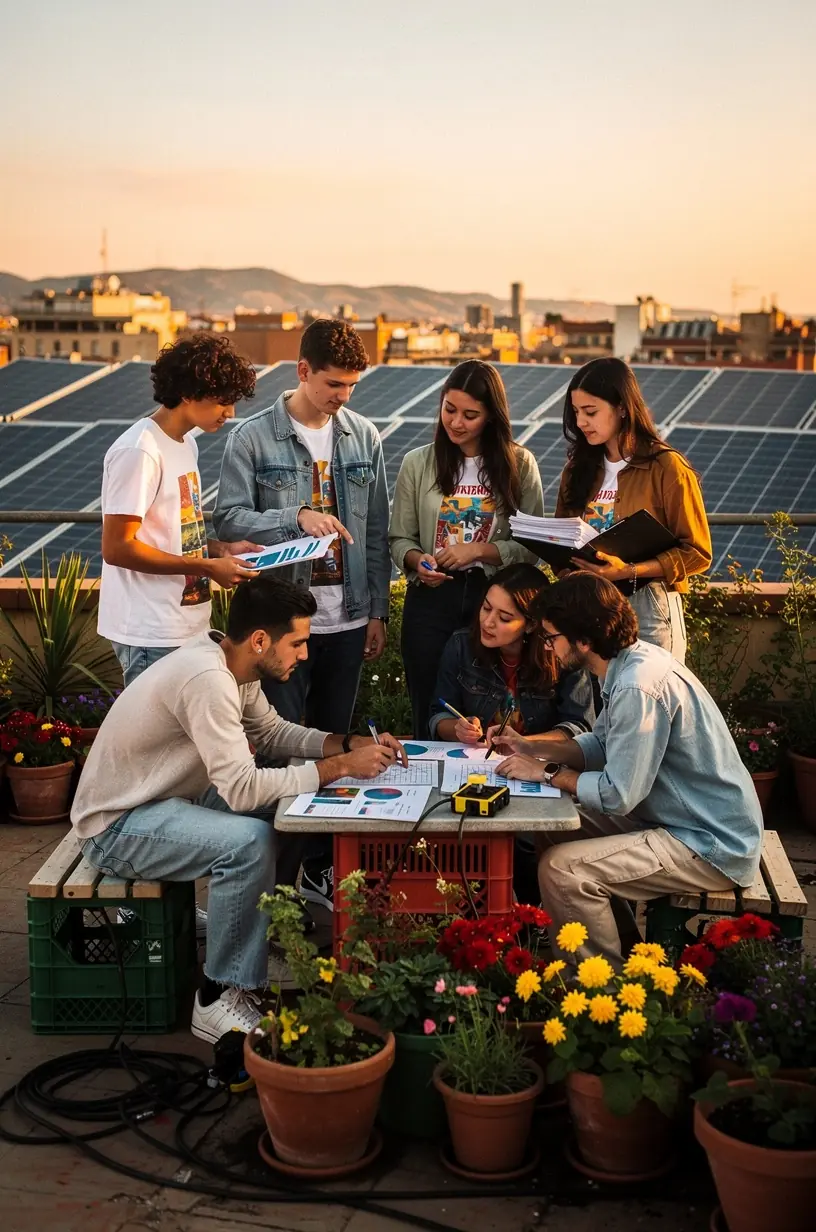
Integrating Solar with Existing Home Energy Systems
As homeowners across the European Union consider the transition to renewable energy, integrating solar power with existing home energy systems presents an effective approach to enhance energy efficiency and reduce reliance on fossil fuels. This article explores the methodologies, benefits, and practical steps involved in this integration.
Understanding the Basics of Solar Integration
Integrating solar energy systems into existing residential setups involves combining solar photovoltaic (PV) panels with current electrical systems. According to industry experts, this can optimize energy use and potentially lower utility bills. The principle behind this integration is straightforward: solar panels convert sunlight into electricity, which can then be consumed directly by the home, stored in batteries, or fed back into the grid.
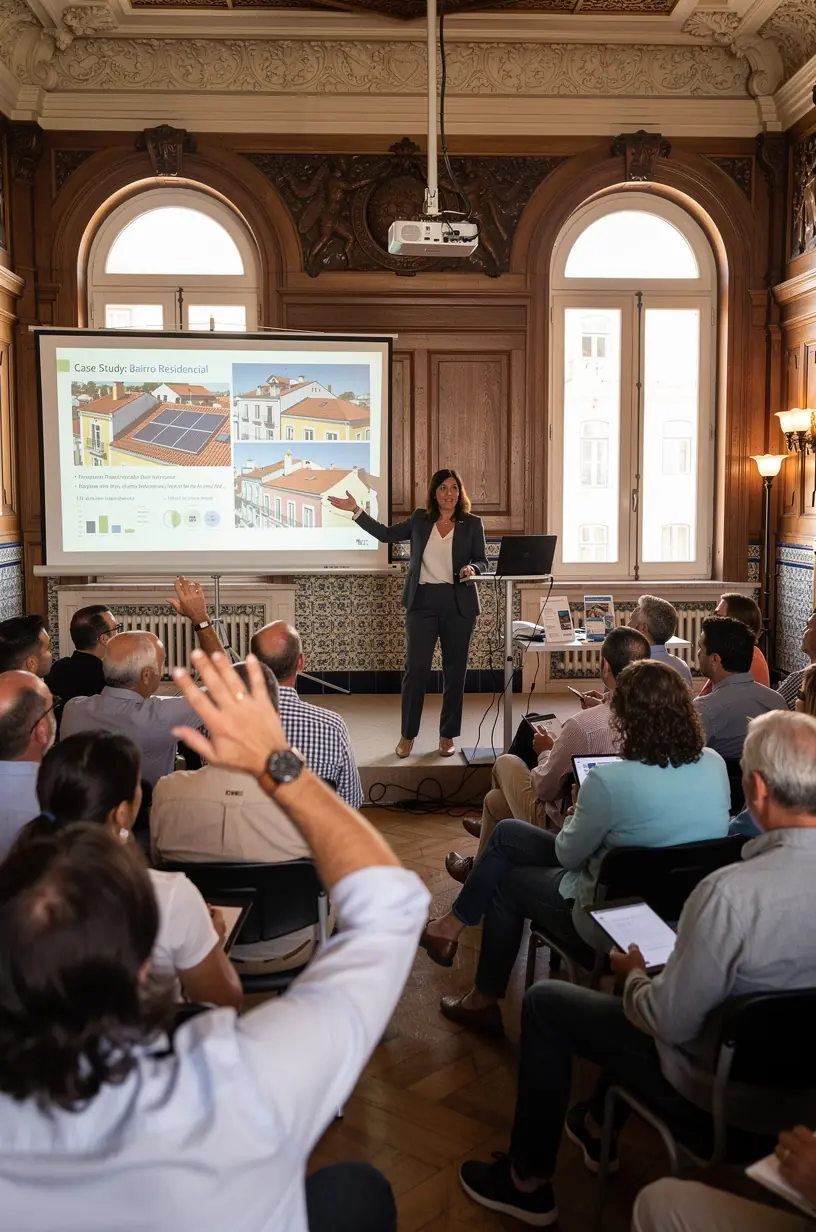
"Research indicates that homeowners who integrate solar solutions can reduce their energy bills by 30-50% annually in suitable conditions."
Key Benefits of Integration
There are several advantages to integrating solar technology with existing energy systems:
- Cost Savings: Many users report significant reductions in energy costs, particularly when solar energy is used to offset peak electricity rates.
- Increased Energy Independence: This integration allows homeowners to rely less on external energy suppliers, which is particularly valuable in regions with unstable energy prices.
- Environmental Impact: Utilizing solar energy contributes to the reduction of carbon emissions, aligning with EU goals for greener energy solutions.
Practical Steps for Integration
To effectively integrate solar systems into existing home energy frameworks, homeowners should consider the following steps:
- Assessment of Current Energy Needs: Conduct an energy audit to understand your home’s energy consumption patterns. This process typically takes 1-2 days and may involve professional assistance.
- Choosing the Right Solar System: Based on the energy audit, select a solar PV system that meets your needs. Experts suggest considering the capacity of the system, local climate conditions, and available incentives.
- Installation and Configuration: Installation generally requires 1-3 days and involves connecting the solar panels to your existing electrical system. Working with certified professionals ensures compliance with local regulations and safety standards.
- Monitoring and Maintenance: Regularly monitor the solar system’s performance. Many systems come with monitoring software that tracks energy production and usage, making it easier to identify issues early.
Conclusion
Integrating solar power with existing home energy systems requires careful planning and consideration but can yield substantial benefits. Homeowners can expect to see improvements in energy efficiency and cost savings when they embrace this approach. While the process involves commitment and initial investment, the long-term rewards are consistent with findings from various studies in the field. By following the steps outlined above, residents can effectively transition to a more sustainable energy future.