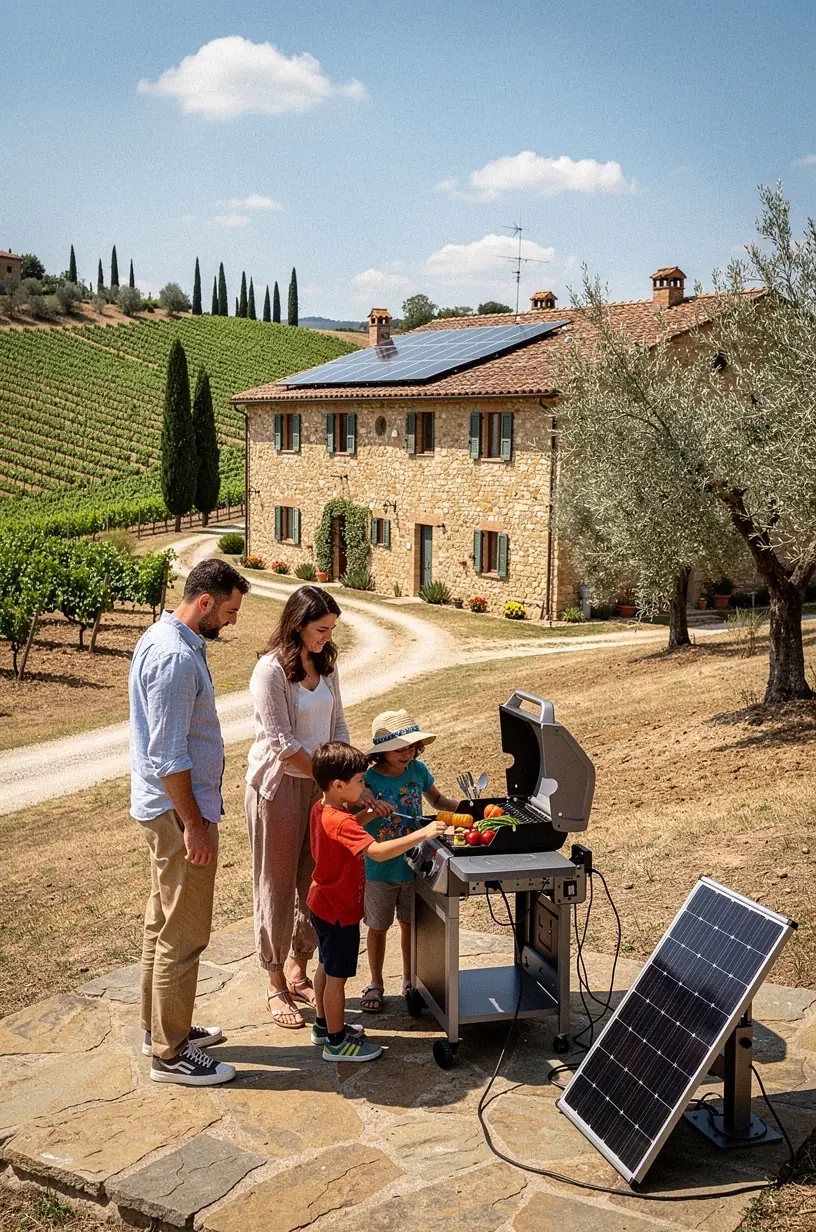
Regulatory Considerations for Solar Energy Projects in the EU
As solar energy continues to grow in popularity among European homeowners and local community planners, understanding the regulatory landscape becomes crucial. This article delves into the key regulatory considerations for solar energy projects in the EU, providing insights on compliance, best practices, and the steps necessary for successful implementation.
Understanding the Regulatory Framework
Regulatory frameworks for solar energy projects vary significantly across EU member states. Typically, these regulations encompass a range of factors including grid connection requirements, permitting processes, and incentive programs. According to studies by the European Commission, navigating this landscape effectively can lead to enhanced project outcomes and community acceptance.

"Many experts recommend that project developers stay informed about local regulations to avoid delays and ensure compliance." - European Renewable Energy Association
Key Regulatory Considerations
- Permitting Processes: Each country has its own permitting process, which can be complex. For instance, obtaining planning permission may take several months and often requires engagement with local authorities.
- Grid Connection: Securing a grid connection is essential for solar projects. The process can vary, and many users report that early engagement with grid operators can facilitate smoother connections.
- Incentives and Subsidies: Understanding available financial incentives is crucial. Countries like Germany have well-established subsidy programs that can significantly reduce the upfront costs of solar installations, according to research by the International Renewable Energy Agency (IRENA).
Practical Steps for Compliance
- Research Local Regulations: Start by researching the specific regulations applicable in your area. Websites of local energy authorities typically provide comprehensive information.
- Engage with Stakeholders: Engaging with local communities and stakeholders early in the process can help identify potential concerns and streamline the permitting process.
- Consult Experts: Consider consulting with legal or regulatory experts who specialize in renewable energy. Their expertise can be invaluable in navigating complex regulatory environments.
Conclusion
Successfully implementing solar energy projects in the EU requires a clear understanding of the regulatory landscape. By prioritizing compliance and engaging with relevant stakeholders, homeowners and planners can enhance project viability and sustainability. As the regulatory environment continues to evolve, staying informed and adaptable will be key to leveraging the benefits of solar energy effectively.