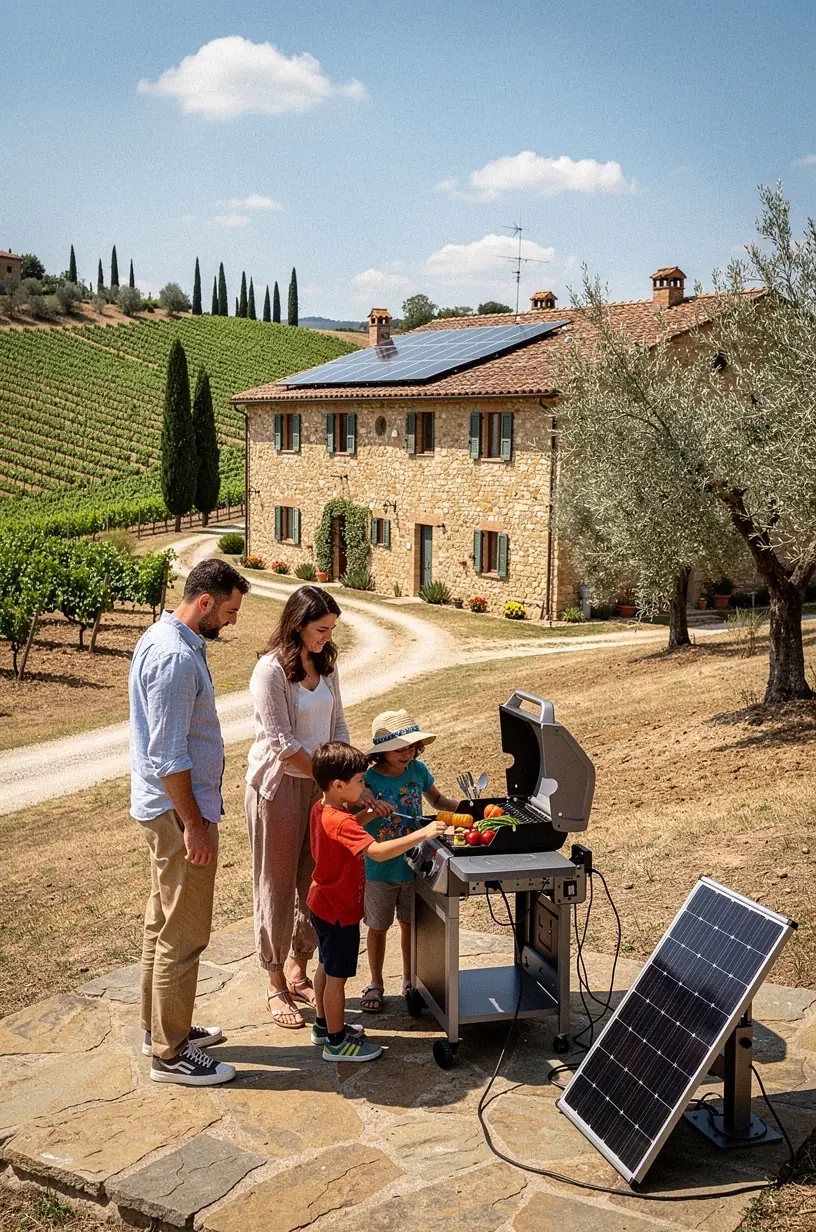
Exploring Community Solar Initiatives in Europe
Community solar initiatives across Europe are paving the way for sustainable energy solutions that not only benefit individual homeowners but also enhance local community resilience. Understanding the principles and practices behind these initiatives can help communities optimize solar energy generation and consumption.
Understanding Community Solar Initiatives
Community solar projects allow multiple participants, often from the same locality, to invest in or benefit from a shared solar energy system. This arrangement is particularly beneficial in urban areas where individual rooftop installations may not be feasible due to space or aesthetic constraints. According to a report by the International Renewable Energy Agency (IRENA), community solar projects can lead to an increase in renewable energy usage by up to 25% in regions where they are implemented effectively.

"Community solar initiatives help democratize access to renewable energy, enabling collective investment and shared benefits." - Energy Policy Expert
Benefits of Community Solar
Implementing community solar initiatives can yield numerous benefits for local homeowners and municipalities:
- Cost Savings: Studies indicate that participants in community solar projects can save between 10-20% on their energy bills compared to traditional energy sources.
- Increased Energy Access: These initiatives provide access to renewable energy for those who may not be able to install solar panels on their properties, such as renters or those with shaded roofs.
- Community Engagement: Such projects often foster a sense of community, as they encourage collaboration among residents and local businesses.
How Community Solar Works
The operation of community solar projects typically involves several key steps:
- Site Selection: Identifying suitable locations for solar installations, often on underutilized land or rooftops of community buildings.
- Financing Models: Community solar projects can be structured in various ways – through direct ownership, subscription models, or partnerships with local utilities.
- Energy Distribution: Generated energy is either directly supplied to the grid or distributed to participants based on their ownership share or subscription level.
Challenges and Considerations
While community solar projects offer significant advantages, they also face challenges:
- Regulatory Barriers: Local regulations can impact the feasibility of such projects, requiring thorough research and potentially lengthy approval processes.
- Initial Investment: Although community solar can reduce long-term costs, the initial funding can be a barrier for many communities. Engaging with local governments and non-profits can help alleviate this issue.
- Awareness and Education: Many potential participants may not fully understand how community solar works or its benefits. Educational initiatives are essential to encourage participation.
Case Studies Across Europe
Several European countries have successfully implemented community solar initiatives, showcasing diverse approaches based on local climates and regulations:
- Germany: The country has been a pioneer in community solar, with numerous projects allowing citizens to collectively invest in solar farms, resulting in a significant increase in renewable energy production.
- Spain: With favorable solar conditions, Spain has seen a rise in community solar cooperatives, which have proven effective in rural areas where individual installations were less viable.
- Sweden: Community solar initiatives in Sweden emphasize sustainability and collaboration, often involving partnerships between municipalities and local residents, leading to shared benefits.
Conclusion
Community solar initiatives present a promising avenue for enhancing renewable energy access and engagement within local communities across Europe. By understanding the benefits, processes, and challenges associated with these projects, homeowners and planners can collaborate more effectively to implement sustainable energy solutions. As communities increasingly seek to reduce their carbon footprints, community solar may play a crucial role in achieving energy independence and resilience.
Read More